
Welcome

EazyCNC

jDraft 2.0


PureJavaComm

PIC CDC ACM

Weather

Ten-Buck Furnace

H8S Bootloader

Camera Calibration

Multitouch

Myford VFD

Fun with HC08

bl08

printf II

Java Goes Native

Densitometer

printf

jApp

Igloo

New Furnace

New Furnace
Part II

Linux 101

H8S/gcc

Quickie

Gas Fired Furnace

Down Memory Lane

Exlibris

Wheel Patterns

Glitches

CHIP-8

eDice

Animato

jDraft

JNA Benchmark

Contact Info
Down The Memory Lane - Part I
One day I was cleaning the workshop (does not happen very often) and came accross some old stuff that brought back a lot of memories. Although this is all rather personal and probably not very interesting to most people I thought it might amuse some friends. And it is a part of history, even if a small part.
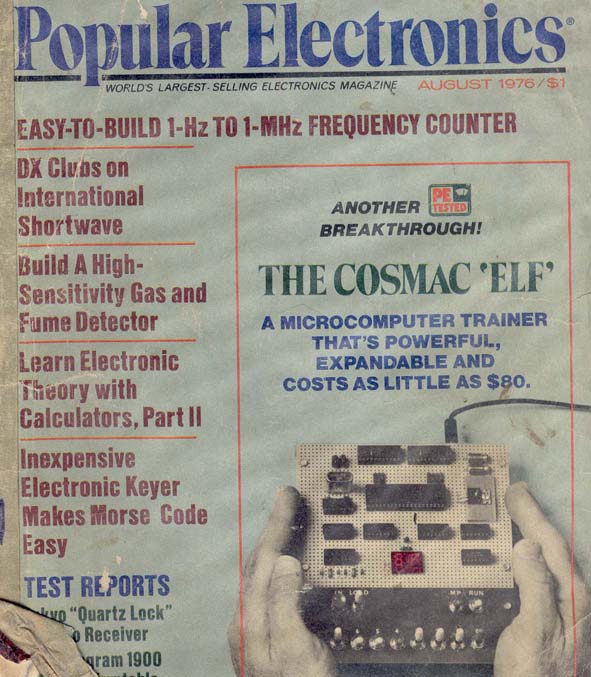
Ignition point...
This was the computer that (for me) started it all. A friend spent a year in the states and brought back this issue of Popular Electronics. After that there was no going back, I was hooked for life. Now there is a whole web site dedicated to Cosmac Elf
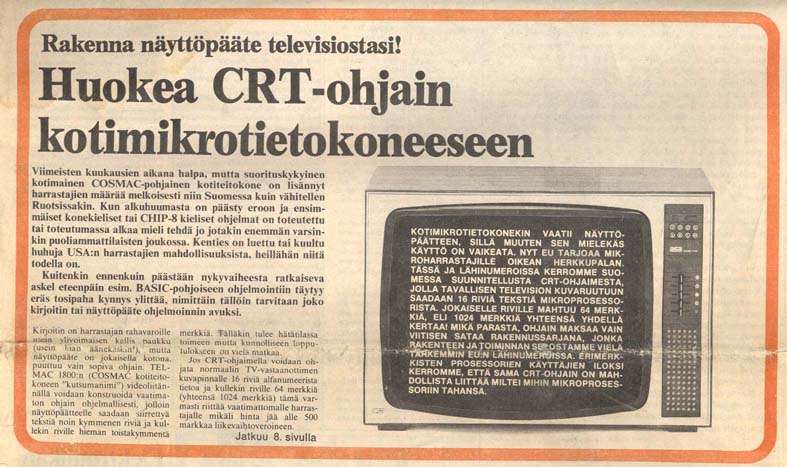
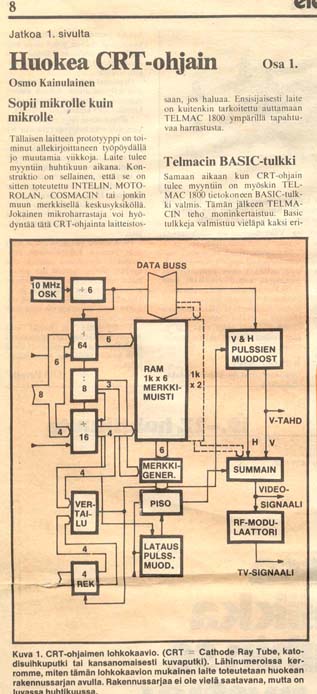
Fueling the fire..
Some time later, probably next year (1978), I read from a local (Finnish) magazine (EU= Electronics News) about some local activity around the Cosmac. It appeared that some guys were way ahead of me and had actually managed to put together a Finnish version of the Cosmac, called Telmac. And not only that: instead of being content with the orignal amazingly hi-res graphics (32 x 64 pixels) of the Cosmac they had actually created a character terminal that was able to display an awesome 16 lines of 64 characters. It was around this time that I, for the first time, saw Jankke in a local radioshack called "Yleiselektroniikka" on Annankatu 24. He had just received a keyaboard from Jameco and was displaying to some friend and I was enviously peeping behind the shelvs.
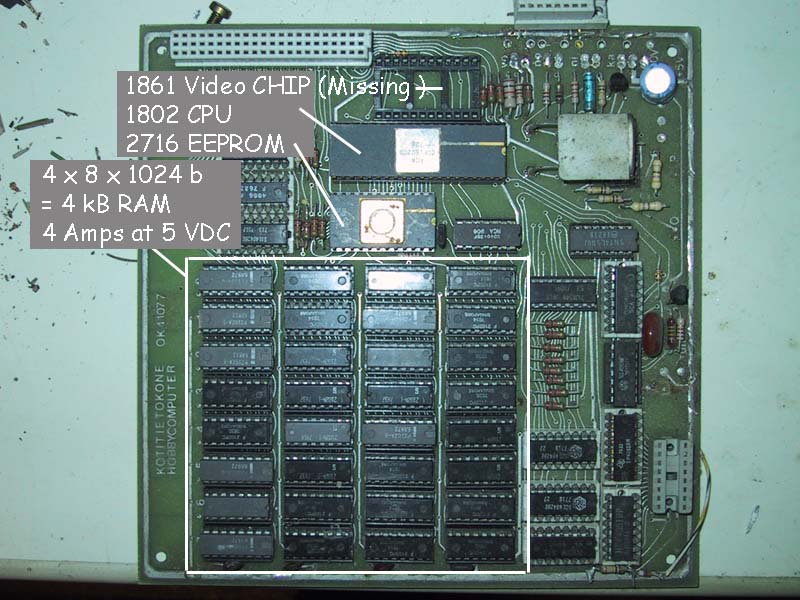
Telmac
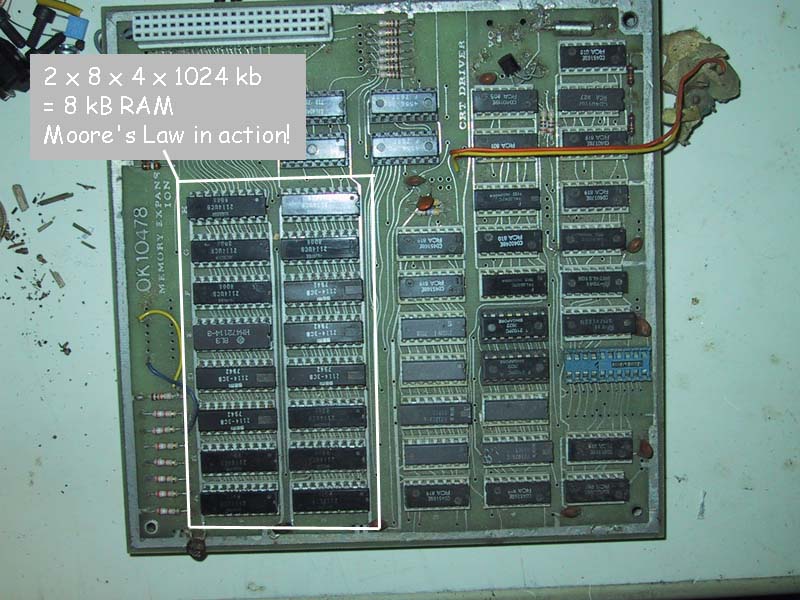
So as soon as I had scraped the money I got myself one. I was realy short on cash those days, I think I still owe some money to a friend for some of the parts! Anyway, memory was hugely expensive in those days, I could only afford 1 KByte (yes, that is 8 x 1024 bits!) in the beginning. It cost about 80 FIM, which at that time was more than a few months allowance from my fathers pocket.Through Telmac I got to know Kaj who was instantly transposed the the category of geniuses, because he could fix my Telmac! He happened to know that the first production series of the Telmac kit had a missing trace on the A5-address line, and therefore you could not enter programs longer than 16 bytes. I could make the RUN-LED blink but nothing else.
The original Telmac could run some impressive (I was 15 at the
time)video games writen in
CHIP8
language in just 1 kB of RAM including the
interpreter.
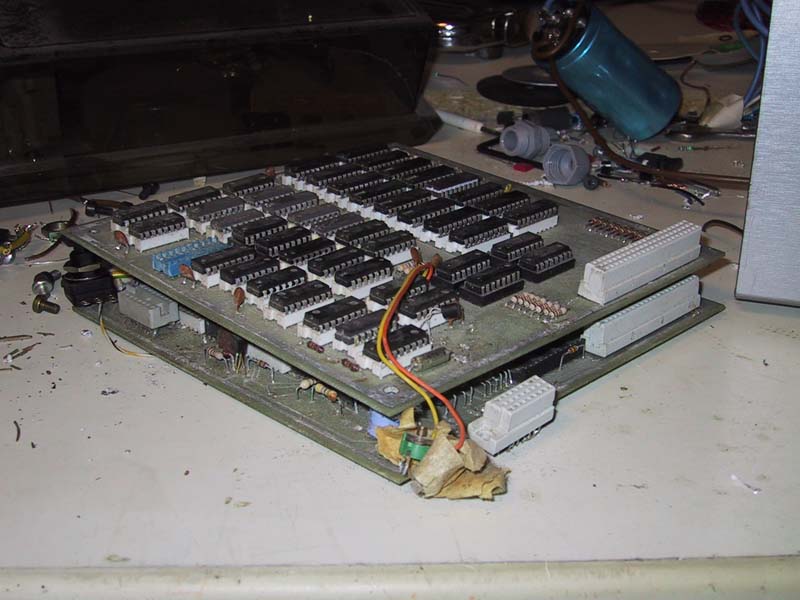
In the end this bady had 12 KB of RAM and a 2 KB monitor software on EEPROM and you could program it using a 4 kB Tiny-BASIC interpreter.
There is not much on Telmacs in the web but I managed to find
something .
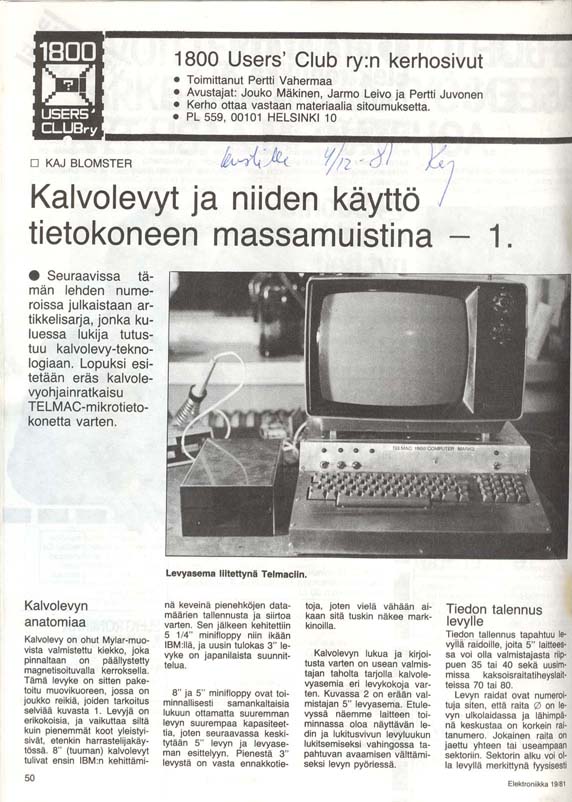
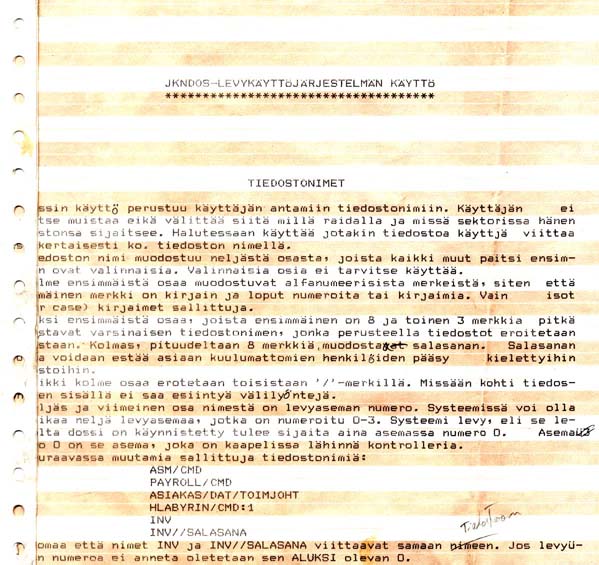
DOS for Dumm..eh Telmac
Some friends and I put together a 5 1/4" disk drive controller and I wrote a TRS-80 DOS look-a-like disk operating system for it. To have almost instant access to a disk space of almost 60 kB (IRCC) was a huge improvement over the C-casette storage we had.(A side note to vent some old grudge. Way, way back, some
polytech students borrowed my master copy of the JKNDOS diskette (and I
was fool enough to let them have it) and never did return it. Shame on
you, may your Windows crash no-end.)
Enthusiasm mounts
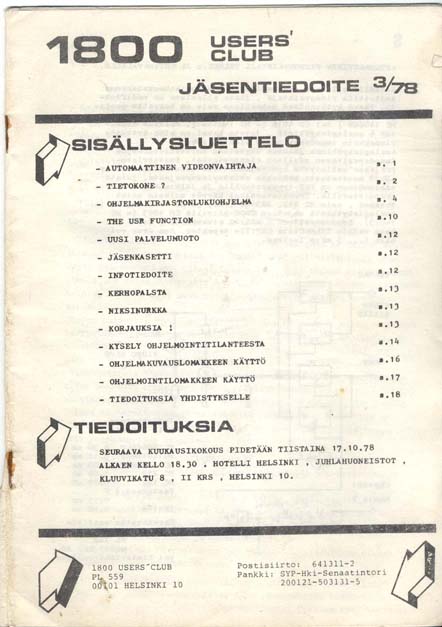
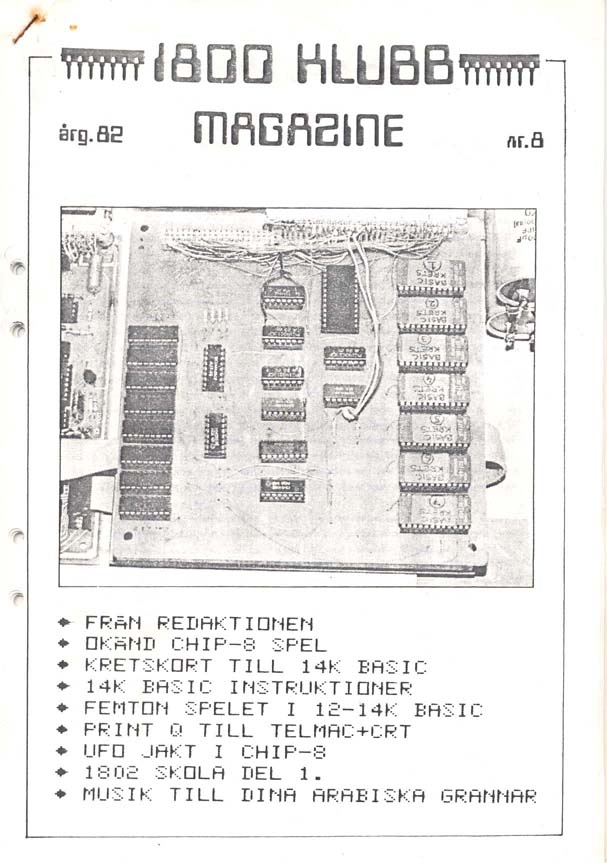
As usual enthusiasm mounts and before you know user groups are popping up everywhere, only to die sooner rather than later. We had one in Finland and the Swedes had to have their own too. I have one good thing to say for the 1800UC and that is that I got to know Chrisse. I knew a Swedish guy from the 1800 Klubb: Göran (IRCC): drop me a line if you read this.
What Might Have Been..
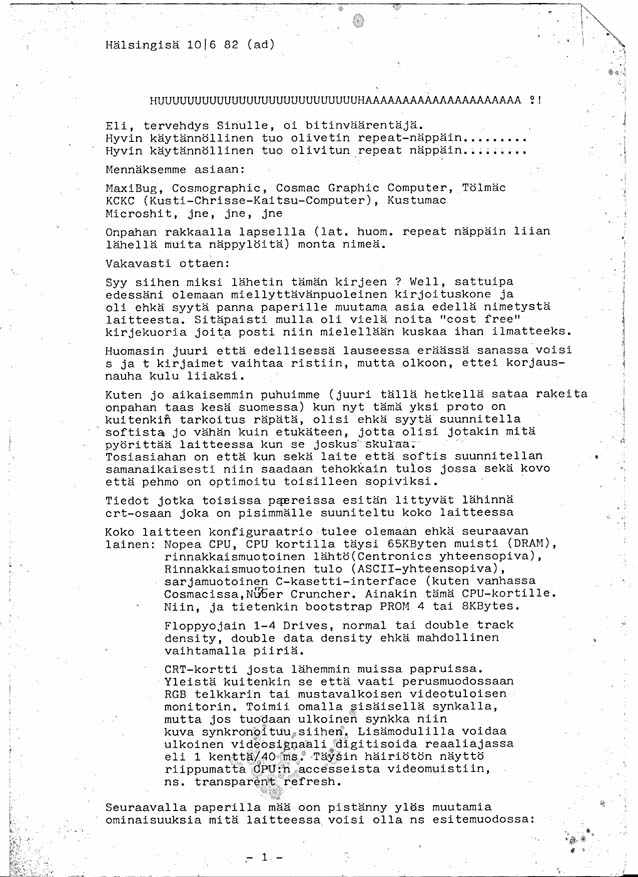
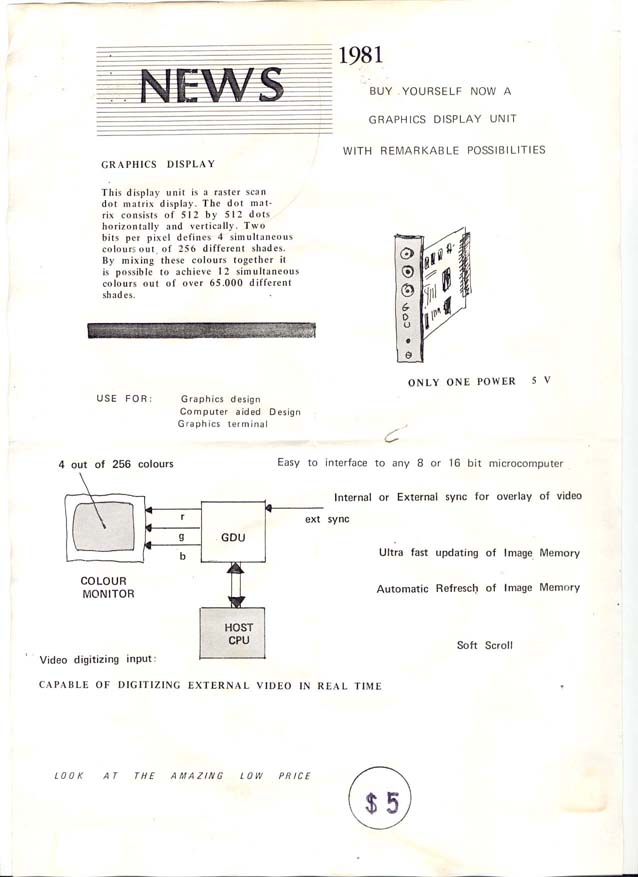
Sometimes one wonders what might have been. Here we have a letter from a dear friend describing a computer that would have had all graphics display, 64 kB of dynamic RAM, multiple floppies, a math co-processor. The leter is dated -82, Hell, at that time some guys in California were dreaming up the Lisa and Macintosh computers. So you maybe reading the home page of could-have-been Steven Jobs or Bill Gates! Or maybe not, but I just can't help thinking of what might have been...
Let the Games Begin
Afore mentioned friends and I also tried our hand in the computer game business and published a C-casette full of games for the Telmac. The games included an adventure style Alien inspired fantacy game and some adapted all time favourites from foreign computer magazines. In those days having access to this or that book or magazine was a great thing (yes, my child, we had no web...yes child, I understand it is difficult to comprehend how we lived, but we managed, just).
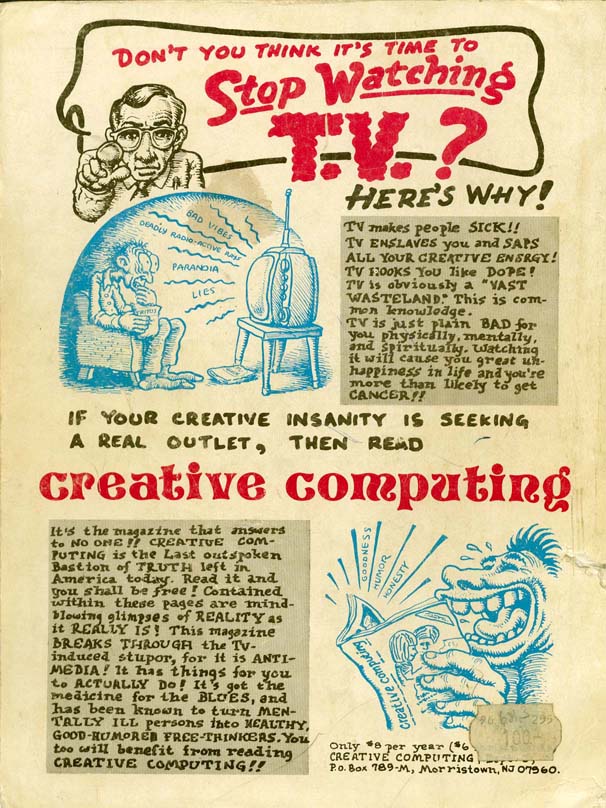
Influential Stuff
This particular book (a collection of magazine articles realy) had a powerfull influence on me for several years. It seems that I'm not the only one; I only have half ot this magazine left but these folks have it all.
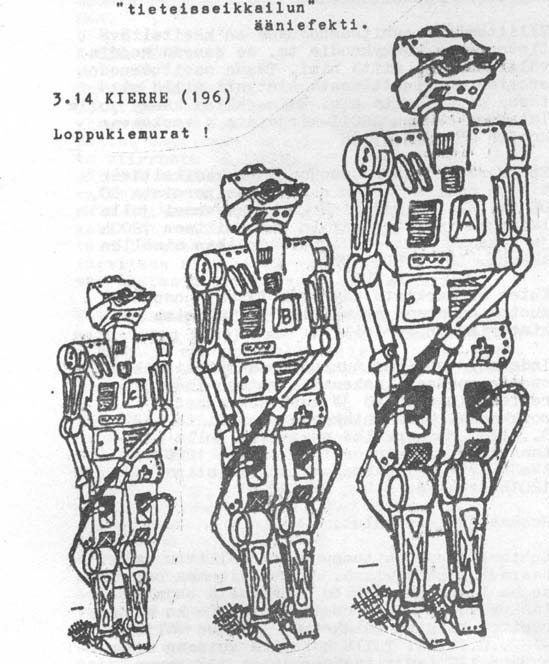
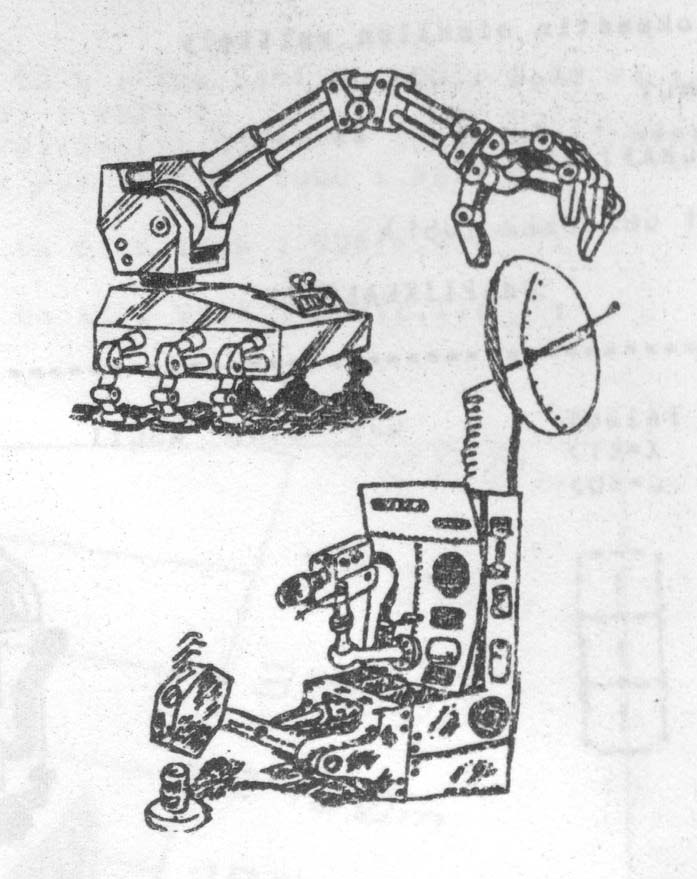
Asimov?
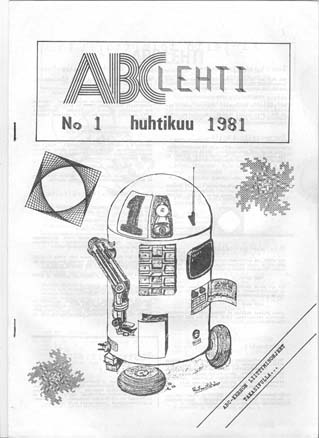
Well, not realy inspired by Isac (though I liked his books a lot), these robots clearly are inspired by Creative Computing.
From RCA to ABC
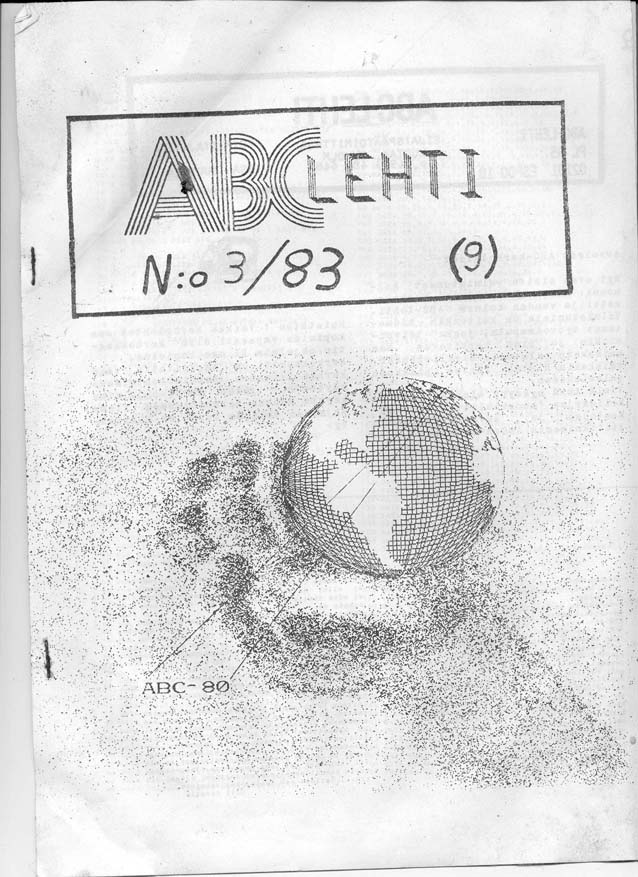
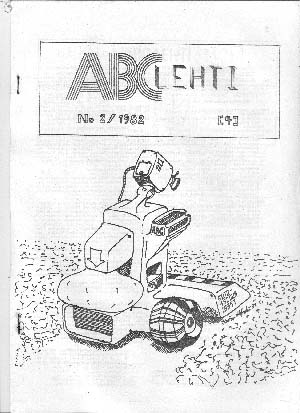
After Telmac (based on the RCA 1802 cpu) I got involved in a user group formed around a scandinavian computer called ABC-80. (In those days everybody thought they could make computers and money with them). The user group published some news letters and the editorship of the news letter was passed on like a ticking parcel. (Child, take my adice, never, ever get involved in any kind of club activity).
Personal
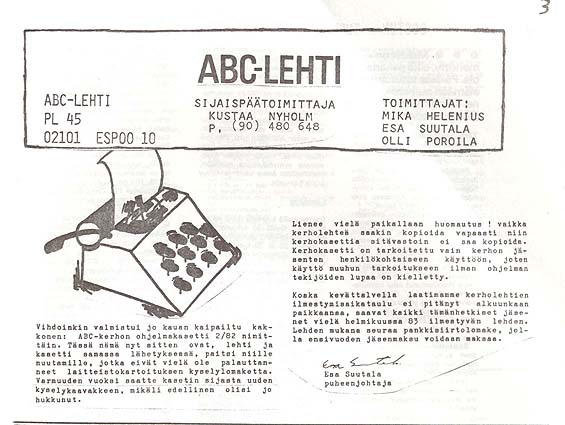 As I said, this is bound to be somewhat personal. This ones for Esa
Suutala, not because I remember him well, but because a mutual friend
Juha Koivisto now works for me. What a small world.
As I said, this is bound to be somewhat personal. This ones for Esa
Suutala, not because I remember him well, but because a mutual friend
Juha Koivisto now works for me. What a small world.
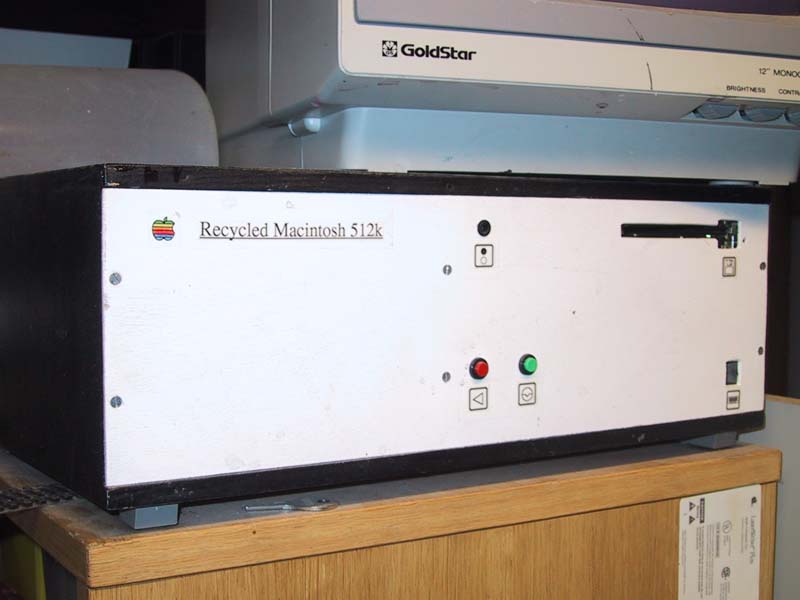
Much Later
Much later friends and me got involved in rebuilding Macintoshes. Who could have afforded to pay plus $4000 for a computer, any computer?
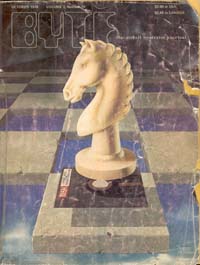
In Memoriam
Before closing this chapter of history I want to pay tribute to an in-memoriam friend, the Byte Magazine. Especially in the pre-PC area it was a wonderfull source of information and inspiration. And even in the area of PCs and MACs it managed to maintain a balanced view of not only of the two main stream computers but of computing as a whole. Most of the things that became important in computers I first read in Byte while PC World and Mac World were comparing bits and bolts and nursing their hatred for the other camp.Just to give you a taste of the magazine contents: this particular volume published the source code along with a very informative article for a complete tiny Pascal compiler that could be used to compile it self and so bootstrap any micro into highlevel programming! And as if that wasn't enough for one volume they threw in several articles about computer chess programming for a good measure. Based on those I wrote my first Pascal compiler and chess program.
A
re-incarnation of the byte still lives, just, on the virtual
world, but somehow it does not feel quite the same.
Kusti 18.11.2002